
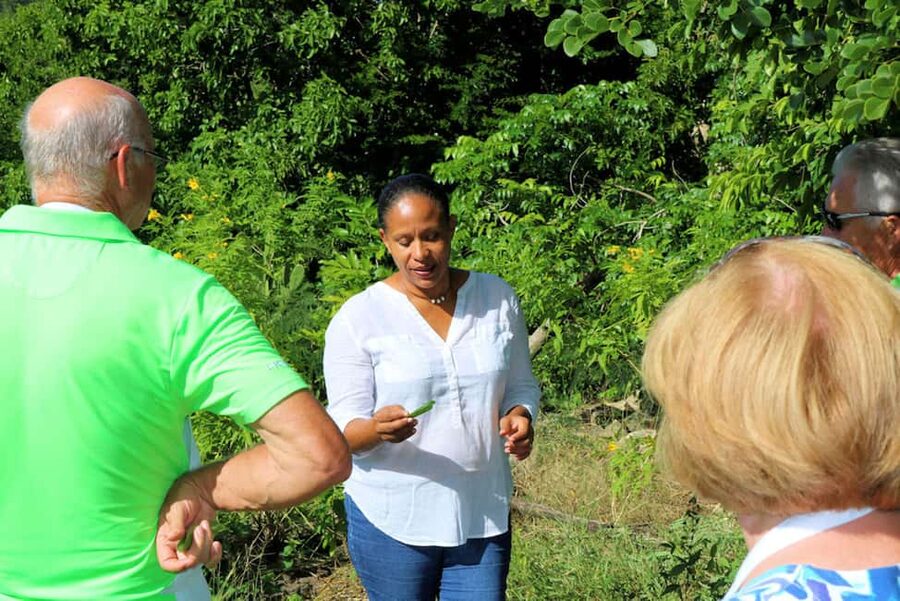
Reviewed · ANTIGUA COOKING CLASSES
St. John’s: From the Sea Cooking Class
Fresh fish decides the menu here. You may work with mahi-mahi, snapper, tuna, or grouper, then sit down to a three-course Caribbean lunch on a veranda above the sea. The class takes place at Nicole’s Table, in a private home setting rather than a standard kitchen studio.
I love the flexible, market-led cooking and the fact that you receive every recipe to try at home. I also like the friendly, informal tone, with food stories and life in the West Indies woven into the lesson. The main consideration is that the menu cannot be promised in advance, and groups of fewer than four may need to move to another date.
Key points to know before booking
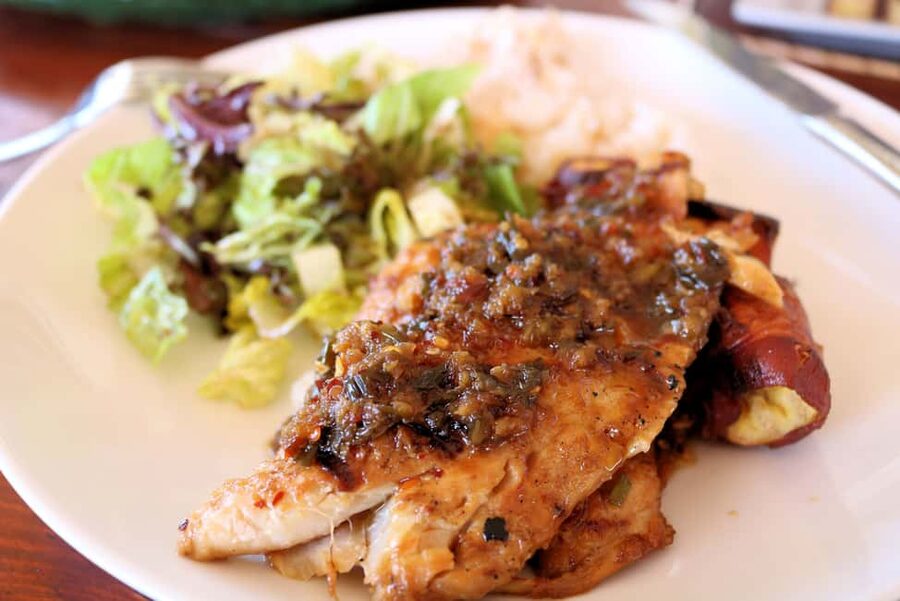
- The catch sets the menu: Your fish may be mahi-mahi, snapper, tuna, or grouper, depending on season, sea conditions, and what has come off the boats.
- Lunch is part of the lesson: You help prepare the starter, fish, sides, and dessert, then eat the finished meal overlooking the Caribbean Sea.
- The class runs from 11:00 to about 15:00: That timing works well for a hotel stay or a cruise day in Antigua.
- You get practical recipes: The goal is to make the meal easy to repeat in your own kitchen.
- Drinks are included: Expect local juice, cistern water, and Nicole’s Old Fashioned Rum Punch.
- Plan your transport: There is no pickup service, so you must reach Nicole’s Table yourself using the directions sent after booking.
Cooking fresh fish at Nicole’s Table
The best part of this class is the uncertainty. In many cooking lessons, the menu is fixed long before you arrive. Here, the morning question is simply what is available today?
That might mean mahi-mahi one day and snapper the next. Tuna or grouper may also appear, and the final dish changes with the season and sea conditions. This is not a problem to work around. It is the point of the class.
You get a small taste of how island cooking works when the sea, weather, and local catch have a say in lunch. The result is more personal than following a printed menu. You learn a style of cooking that responds to ingredients rather than forcing ingredients into a plan.
This also means you should arrive with an open mind. The sample menu may include grilled ginger lime mahi-mahi with pineapple salsa, blackened fish tacos with spicy slaw, or a baked stuffed whole snapper. You cannot count on one exact fish or preparation.
More antigua cooking classes in St John S:
- All About Jerk Cooking Class
★ 4.7 · 19 reviews - St. John’s: Rum Cooking Class with 6 Rum Tastings
★ 5.0 · 6 reviews - Coordinating Curry Cooking Class
★ 5.0 · 4 reviews
Your four-hour cooking schedule
Classes begin at 11:00 and usually finish around 15:00. The four-hour format gives you enough time to cook without rushing, eat lunch, and hear the stories that make the food meaningful.
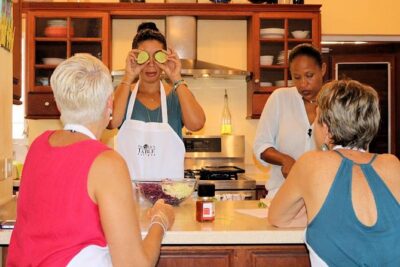
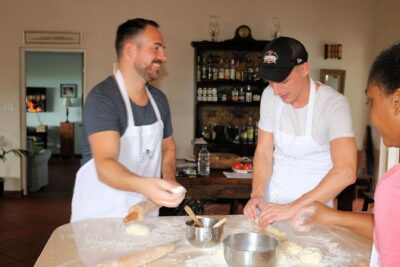
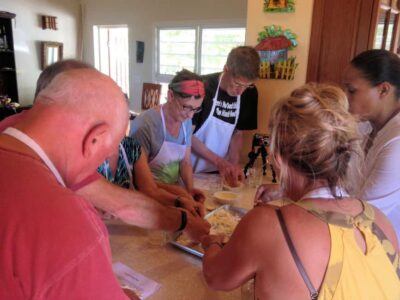
The lesson is hands-on, but it can also be laid-back. You can take an active role in preparing each course, or settle into a slower pace while the cooking unfolds. That flexibility matters for mixed groups, since not everyone arrives with the same kitchen confidence.
The work covers the full meal. You are not just shown how to prepare one main course and then sent to the table. You help with the starter, fish, side dishes, and dessert.
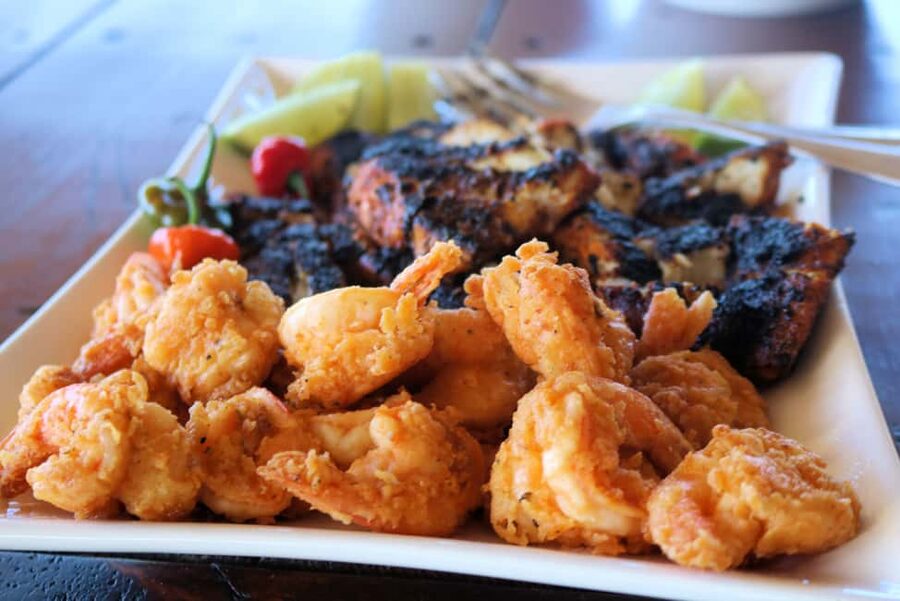
A typical menu begins with garlic shrimp served in a crisp wonton cup with avocado. It offers several useful techniques in one small dish: handling seafood, working with texture, and building a starter that looks more special than its ingredient list might suggest.
The main course depends on the catch. Ginger, lime, pineapple salsa, spicy slaw, and blackening spices give the fish a clear Caribbean direction without making the cooking needlessly complicated. If a whole snapper is on the menu, you may get a different lesson in seasoning and presentation than you would with fillets.
Basmati rice and a rainbow salad provide the sides. These are not filler. They help turn the fish into a proper lunch and show how a simple meal can balance color, freshness, and texture.
Dessert is usually mini cheesecakes with passion fruit. That final course gives the class a sweet finish and makes the meal feel complete, rather than like a seafood demonstration followed by a snack.
Stories, rum punch, and the view
The setting does much of the work. Nicole’s Table is a Caribbean home high on a hill, with a veranda overlooking the Caribbean Sea. You are cooking in a lived-in setting, not standing under bright lights in a commercial classroom.
The view is not just decoration. It changes the pace of the experience. After handling ingredients and preparing lunch, you can sit with your food and take in the sea from the same home where the class took place.
The informal teaching style adds another useful layer. Food history and stories about living in the West Indies are part of the conversation. You get context for the meal instead of only a list of ingredients and cooking times.
Drinks are included throughout the experience. The usual choices are local juice, water from the home’s cisterns, and Nicole’s Old Fashioned Rum Punch. The rum punch is for adults, and Antigua’s minimum drinking age is 18.
You should not expect a formal lecture or a rigid chef-led performance. The class is designed to feel social and relaxed. That makes it a good fit if you want contact with local life, but less ideal if you prefer a tightly timed professional kitchen lesson.
Why the changing menu matters
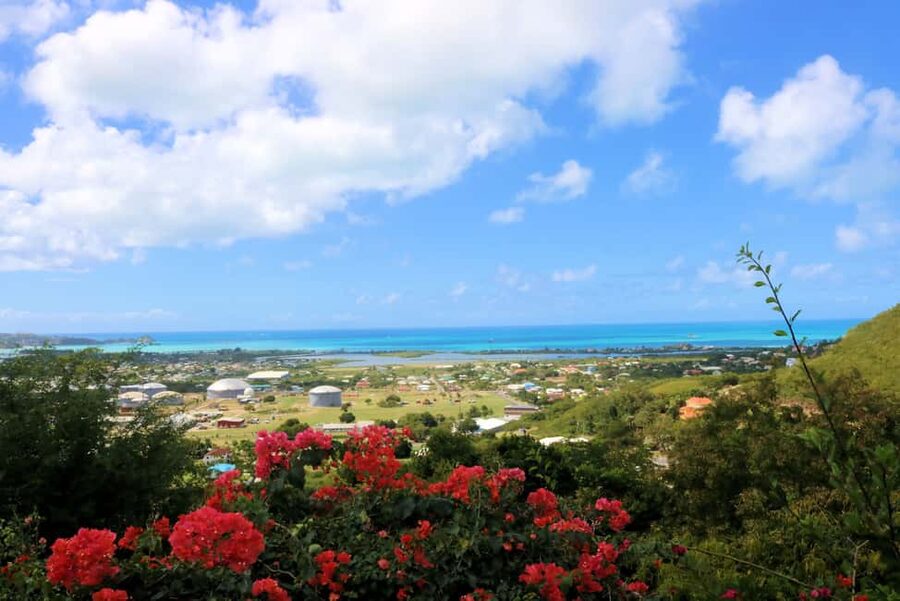
The fresh-catch approach is a practical lesson in cooking with what you have. At home, you may not find the same fish used in Antigua, but the recipes can still help you adapt.
Mahi-mahi, snapper, tuna, and grouper do not all cook in exactly the same way. A useful class should help you understand how to work with the fish in front of you, not simply memorize one set of instructions.
The supplied recipes support that goal. You are meant to recreate the meal after returning home, using the methods and combinations learned during the class.
Still, the changing menu creates one clear tradeoff. If you have booked this experience specifically for grilled mahi-mahi or fish tacos, you may instead get snapper or a stuffed whole fish. You should treat the menu examples as possibilities, not promises.
Food allergies and dietary needs should be shared at booking. This is especially important in a seafood class, since the main ingredient is central to the meal and the menu changes with availability.
A few more St John S trips to weigh up
- Nicole’s Table – Cooking with Rum
★ 5.0 · 112 reviews
Price and practical value at $164
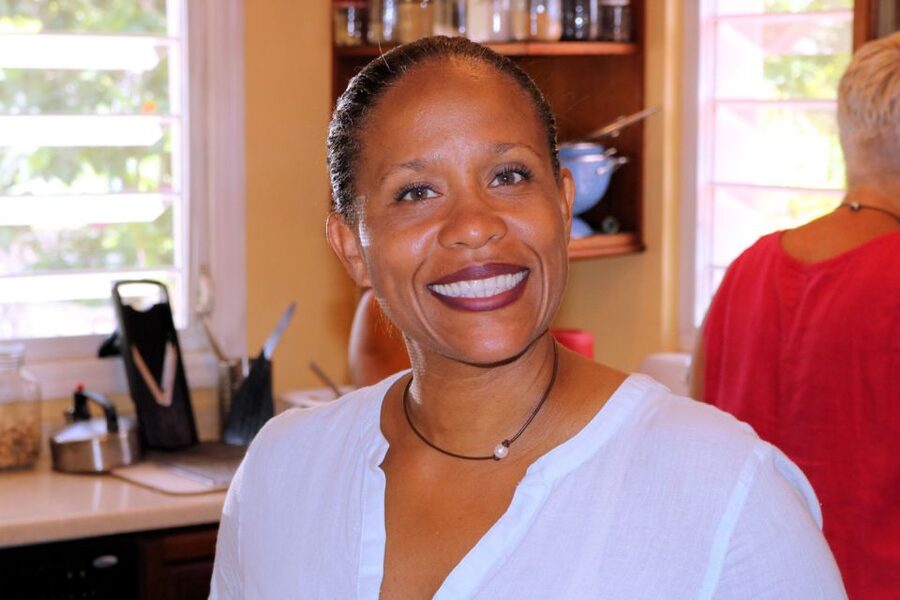
At $164 per person, this is not a cheap lunch. You are paying for a four-hour private-home experience that combines instruction, food, drinks, recipes, and the setting.
The value improves if you would otherwise book a separate meal, local food activity, and sightseeing stop. Here, those elements come together in one half-day. You also leave with recipes, which gives the experience some use beyond the afternoon itself.
The price makes less sense if you only want to eat fresh seafood with a view. Antigua has other ways to find a scenic meal, while this activity asks you to participate in preparing it.
I would also consider the size and mood of your group. Cooking is more enjoyable when everyone is willing to share tasks and conversation. The class has a four-person minimum, so a smaller party may need to join an existing class or move to another day.
The two strongest reasons to pay the price are the home setting and the personal nature of the meal. You are not only watching a demonstration. You are helping create lunch, then eating it where you cooked it.
Timing, transport, and the cruise-day question
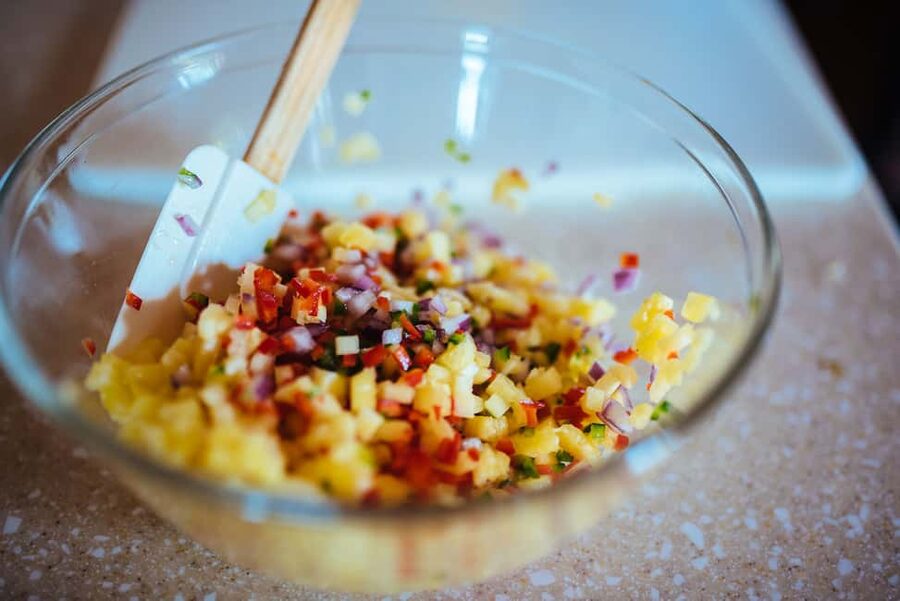
The 11:00 start and 15:00 finish are useful for many visitors staying in Antigua. The schedule gives you a full morning and afternoon block without taking up the entire day.
It may also suit a cruise passenger, since the stated timing is intended to work for cruise or hotel guests. Even so, you must check your own ship schedule carefully. There is no pickup service, and the activity requires you to get to Nicole’s Table on your own.
Directions are emailed after you book. Allow enough time to follow them without rushing, especially since the meeting point is not a central dockside pickup location.
The location on a hill is part of the appeal, but it also explains why the class is not suitable for wheelchair users. You should also plan for a home-based setting rather than a fully commercial venue.
Children must be accompanied by an adult, and unaccompanied minors are not allowed. Pets are not permitted. Hand washing is required, and anyone with flu-like symptoms must wear a mask.
Who will enjoy this class most
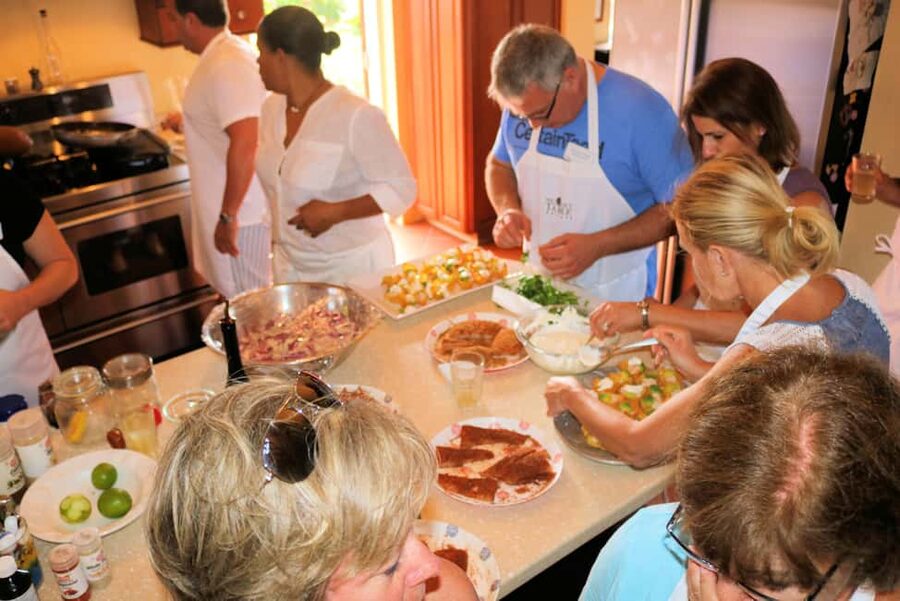
I would choose this for a couple, family, or small group that likes food and wants a more personal look at Antigua. It works especially well for people who enjoy helping with lunch rather than simply sitting down when the plates arrive.
It is also a good choice for cooks who want recipes that can be used after the holiday. The class is not built around complicated chef tricks. Its purpose is to make the same kind of meal manageable in your own kitchen.
The experience suits adults particularly well because of the rum punch and the relaxed social tone. Families can attend with children, provided an adult accompanies them, though the food and four-hour schedule may suit older children better than very young ones.
You may want to skip it if you dislike seafood, need an exact menu, or have limited mobility. You should also think twice if your only goal is a quick meal between other activities.
What the strongest praise tells you
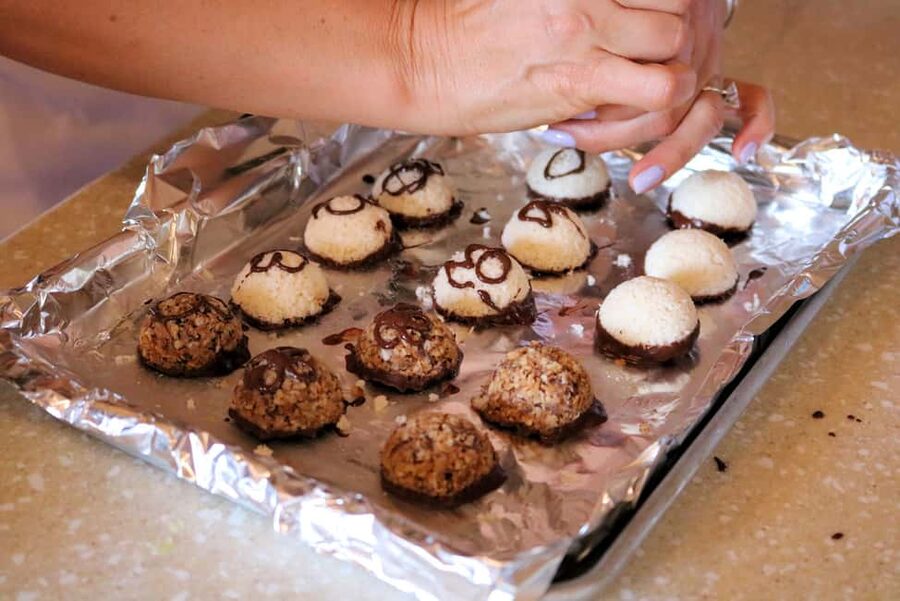
The clearest positive theme is the human side of the experience. You are welcomed into a Caribbean home and included in the cooking, rather than treated like a spectator in a tourist production.
The food and setting receive equal attention. The meal is designed to be good enough for a proper lunch, while the sea view gives the day a sense of place that a regular cooking school cannot easily match.
The recipes are another important benefit. You are not left with only photographs and a pleasant memory. You have a way to continue the experience at home and adjust the dishes to the fish available where you live.
The class has earned perfect marks from the small number of published participants, with specific praise for the food, location, people, and welcoming atmosphere. One participant from the United Kingdom described feeling like family and said the recipes were worth taking home.
That kind of praise should not make you ignore the practical limits. A small number of reviews cannot answer every question about group size, pace, or dietary substitutions. The facts that matter most are clear, though: the class is hands-on, the menu changes, and the setting is personal rather than formal.
Should you book Nicole’s Table?
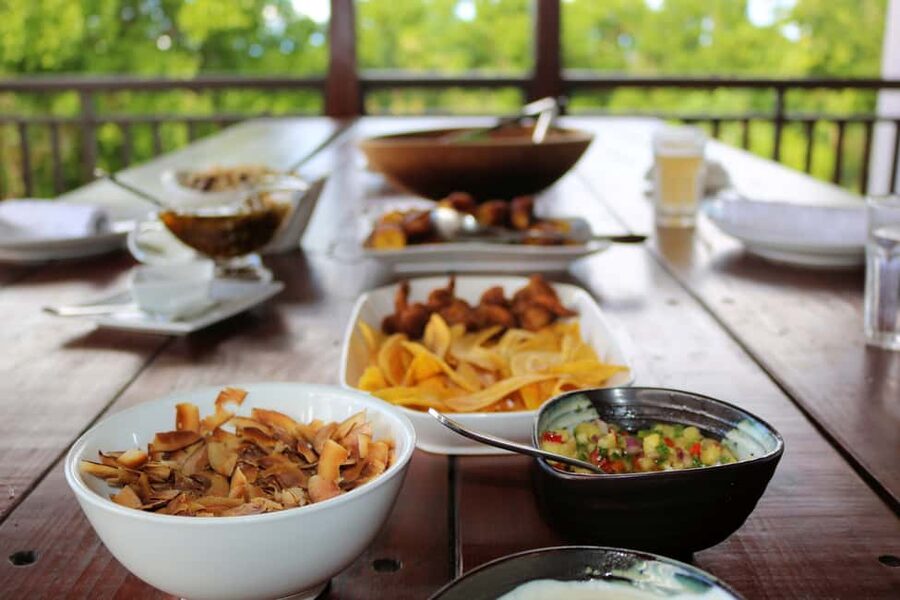
Book it if you want to cook fresh Antiguan seafood, hear stories about West Indian life, and eat lunch with a Caribbean Sea view. The flexible menu is a strength for curious eaters and a drawback only if you need a fixed dish.
At $164, the class earns its price through the four-hour format, included meal and drinks, recipes, and home setting. I would make the booking if you value an activity that feels like a shared local occasion rather than another sightseeing stop.
Before paying, confirm your dietary needs, make sure you can reach the meeting point, and check that your group can meet the four-person minimum. If those details work, Nicole’s Table offers a friendly, useful, and distinctly Antiguan half-day.
FAQ
How long does the St. John’s From the Sea Cooking Class last?
The class lasts four hours. It usually begins at 11:00 and ends around 15:00.
What fish might be used in the class?
The fish depends on what is fresh and available that day. Possible choices include mahi-mahi, snapper, tuna, and grouper.
Is lunch included?
Yes. You help prepare and then eat a three-course lunch, including the starter, main fish dish, sides, and dessert.
What drinks are included?
The included drinks are Nicole’s Old Fashioned Rum Punch, a local juice, and water from the home’s cisterns.
Do I receive the recipes?
Yes. Recipes for the dishes prepared during the class are provided.
Where does the class meet?
You meet at Nicole’s Table in Antigua. There is no pickup service, and directions are emailed after booking.
Can children attend the cooking class?
Children may attend when accompanied by an adult. Unaccompanied minors are not allowed, and the minimum drinking age is 18.
More Workshops in St John S
- Fliteboard EFoil Lesson
★ 5.0 · 12 reviews
Just added around St John S
- Sip & Paint with lunch on exciting Ffryes Tiki beach Bar★ 4.4 · 6 reviews
- Coordinating Curry Cooking Class★ 5.0 · 4 reviews
- Hiking Combo Tours★ 5.0 · 4 reviews
- Antigua – Discover and Relax on 2 beaches★ 4.6 · 5 reviews
- St. John’s: Rum Cooking Class with 6 Rum Tastings★ 5.0 · 6 reviews
- St. John’s, Antigua Kayak, Snorkeling, & Beach Bird Island★ 4.8 · 7 reviews
- From St John’s: Half Moon Bay Beach Half-Day Trip by Van★ 4.7 · 9 reviews
- Antigua: Shirley Heights Sunset Party Transfer★ 4.8 · 10 reviews
Antigua Cooking Classes, compared.
Browse the lists this tour appears in